You know the deadline is real. You know putting it off will make tomorrow worse. And yet you’re rewatching a show you’ve already seen twice instead of opening the document. If this sounds familiar, the problem was never your willpower — it’s how your brain is wired to weigh time and emotion.
Quick answer: Procrastination is mainly an emotion-regulation problem, not a time-management or laziness problem. When a task feels boring, stressful or threatening, the brain seeks short-term relief by avoiding it, even though that increases stress later. Making the first step tiny and reducing the task’s emotional weight helps you start.
Procrastination Isn’t Laziness — It’s an Emotion Regulation Problem
For decades, procrastination was treated as a time-management failure: people who procrastinate just needed a better planner. Research in behavioral psychology has since overturned that idea. Procrastination researchers describe it as the primacy of short-term mood repair over the longer-term pursuit of intended actions.
In plain terms: procrastination is what happens when your brain chooses to feel better right now over doing what’s good for you later. The task itself isn’t the problem — the negative feeling attached to it is. Boredom, anxiety, self-doubt, and frustration are the four emotions most commonly linked to task avoidance, and your brain will reach for almost anything to make those feelings go away, even temporarily.
The Two Brain Systems Fighting Over Your To-Do List
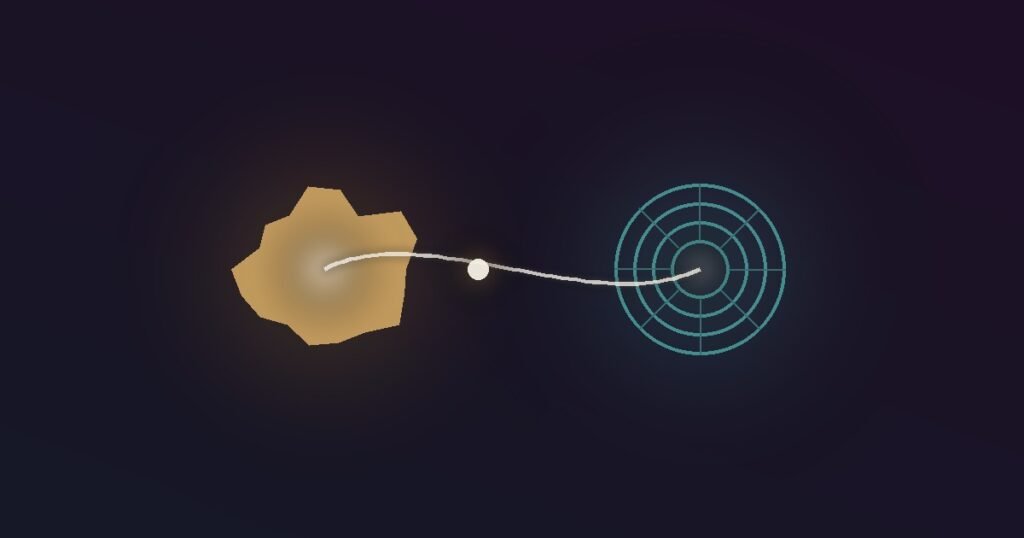
Neuroscience frames this as a tug-of-war between two systems.
The limbic system is older, faster, and driven by immediate reward and threat. When a task feels unpleasant, the limbic system flags it as something to avoid — the same basic circuitry that makes you flinch from a hot stove.
The prefrontal cortex is newer, slower, and responsible for planning, long-term thinking, and weighing future consequences. It’s the part of your brain that knows the deadline matters.
Under normal conditions, the prefrontal cortex can override the limbic system’s urge to avoid discomfort. But that override takes mental energy — and it’s a battle the limbic system frequently wins, especially when you’re tired, stressed, or the task is vague and open-ended.
Why “Just Use Willpower” Doesn’t Work
Telling a chronic procrastinator to “just do it” treats the symptom, not the cause. Willpower is a limited, fatigable resource — a concept researchers call ego depletion. Every decision you make earlier in the day draws down the same mental reserve you need to push through an unpleasant task later. By evening, that reserve is often close to empty, which is exactly when most people report their procrastination is worst.
What Actually Reduces Procrastination
Shrink the first step to something almost embarrassingly small. Instead of “write the report,” commit to “open the document and write one sentence.” The brain resists large, vague tasks far more than small, concrete ones.
Name the emotion instead of fighting it. Simply noticing “I’m avoiding this because it feels overwhelming” pulls the prefrontal cortex back into the driver’s seat.
Change your environment, not just your intentions. Willpower is unreliable; friction is not. Removing your phone from the room does more than a promise to “focus better” ever will.
Forgive the last time you procrastinated. Counterintuitively, self-compassion after procrastinating — rather than self-criticism — is associated with less procrastination on the next task.
The Takeaway
Procrastination isn’t a moral failing or a productivity glitch — it’s your brain protecting you from a bad feeling in the short term at the cost of a bigger problem later. Once you see it as an emotional pattern instead of a character flaw, the fixes that actually work start to make sense: lower the emotional stakes of starting, and the avoidance loses its grip.
Frequently Asked Questions
Why do I procrastinate even when I want to do the task?
Procrastination is usually driven by the unpleasant feelings a task triggers, such as anxiety, boredom or self-doubt. Avoiding it brings quick relief, which reinforces the delay.
Is procrastination a sign of laziness?
No. Research by psychologists such as Tim Pychyl and Fuschia Sirois shows procrastination is closely tied to managing negative emotions, and many procrastinators care a great deal about the task.
How do I stop procrastinating?
Shrink the first step until it feels easy, commit to just five minutes, remove distractions, forgive yourself for past delays, and focus on starting rather than finishing perfectly.