Every habit you have — good or bad — started as a decision you had to think about. At some point, deciding to check your phone, reach for a snack, or lace up your running shoes stopped requiring willpower at all. Understanding why that shift happens is the difference between fighting your habits forever and actually changing them.
Quick answer: Habits form when the brain repeatedly links a cue, a routine and a reward until the behavior shifts from deliberate control to the basal ganglia’s automatic system. Research suggests a new habit takes around two months on average to become automatic, with wide variation. Consistent cues matter more than motivation.
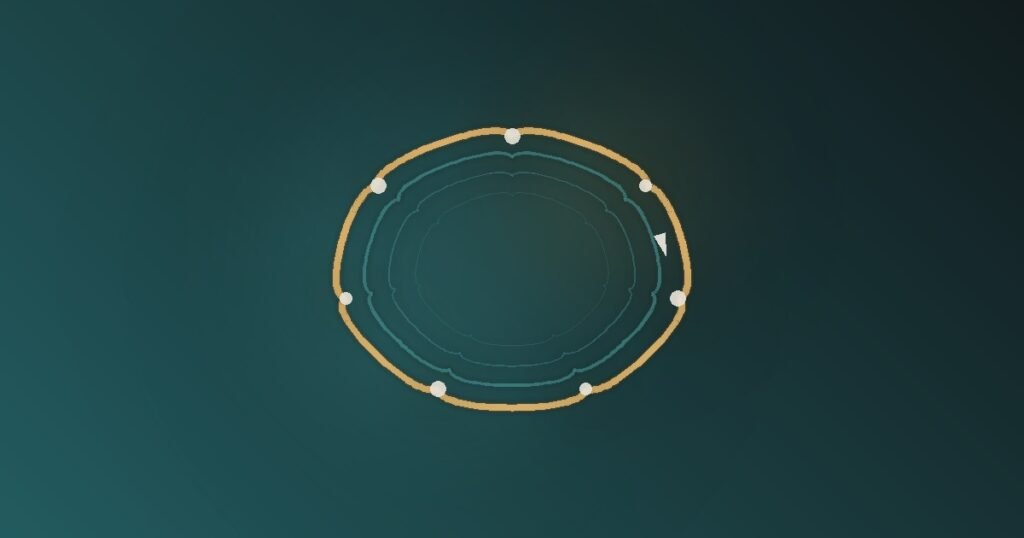
The Habit Loop: Cue, Routine, Reward
Habit research, most famously synthesized by MIT researchers and popularized by Charles Duhigg, describes habits as a three-part loop:
A cue triggers the brain to go into automatic mode. A routine — the behavior itself — follows. A reward tells the brain this loop is worth remembering. Repeated enough times, the brain stops deliberating over the routine altogether and simply executes it whenever the cue appears.
This loop lives largely in a brain region called the basal ganglia, which is involved in the development of emotions, memories, and pattern recognition — notably, it operates largely outside conscious, deliberate thought. That’s precisely why habits feel automatic: the prefrontal cortex, your center for conscious decision-making, quiets down once a behavior becomes habitual, and the basal ganglia takes over.
Why Repetition Physically Rewires the Brain
Neurons that fire together, wire together — a principle known as Hebbian learning. Each time you repeat a behavior in response to the same cue, the neural pathway connecting that cue to that action gets a little stronger and a little faster, similar to how a footpath through grass becomes a visible trail the more it’s walked.
This is measurable: brain imaging studies show that as a behavior becomes habitual, activity shifts from the prefrontal cortex (effortful, conscious control) toward the basal ganglia (automatic execution). This is also why breaking a habit is so much harder than building a new routine from scratch — the old neural pathway doesn’t disappear when you stop using it. It weakens, but it can be reactivated quickly under stress, which is why people often revert to old habits during difficult periods, sometimes years after they thought the habit was gone for good.
Why Willpower-Based Habit Change Fails
Most attempts to change a habit target the routine directly: “I’ll just stop.” But the cue and the anticipated reward are still fully intact and firing. Fighting a wired-in loop with willpower alone means re-litigating the same decision every single time the cue appears — which is exhausting and, per the concept of ego depletion, unsustainable over any real stretch of time.
What Actually Works: Keep the Cue, Keep the Reward, Change the Routine
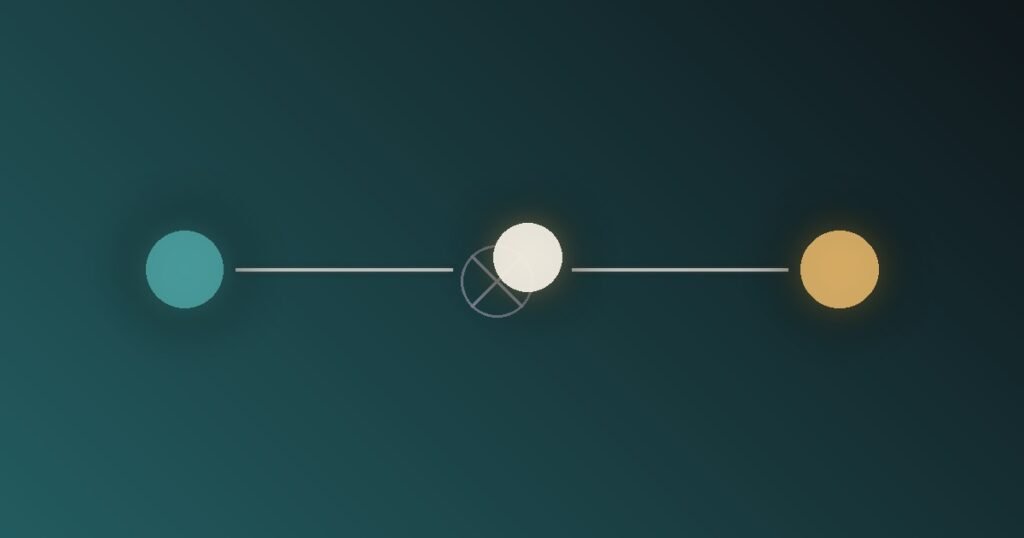
The habit loop gives a more durable strategy than sheer willpower: identify the cue and reward that are already driving the habit, and insert a new routine between them that still satisfies the same reward.
Find the real reward you’re chasing. Reaching for your phone when bored might be about stimulation, not about the phone itself — a short walk or a quick conversation can satisfy the same underlying craving.
Keep the cue instead of trying to eliminate it. Cues are often deeply tied to context (time of day, location, emotional state) and are very hard to remove entirely. It’s usually easier to keep the cue and change what happens next.
Make the new routine at least as easy as the old one. If the replacement behavior requires more effort than the habit it’s replacing, the brain will default back to the well-worn path, especially under stress.
Expect a real adjustment period, not an overnight switch. Popular claims about habits forming in exactly 21 days aren’t well supported; research instead shows automaticity develops gradually and the timeline varies widely by person and behavior — some simple habits solidify in a few weeks, more complex ones take months.
The Takeaway
Habits aren’t a test of character — they’re the brain’s way of automating anything you repeat often enough, for better or worse. Real, lasting change doesn’t come from a stronger will. It comes from working with the cue-routine-reward loop your brain already runs on, rather than trying to override it by force every single day.
Frequently Asked Questions
How long does it take to form a habit?
A study by Phillippa Lally and colleagues found it took an average of 66 days for a behavior to become automatic, with a range from about 18 to 254 days depending on the person and habit.
What part of the brain controls habits?
The basal ganglia, especially the striatum, play a central role. As a behavior is repeated, control shifts from goal-directed brain regions to these more automatic circuits.
How do you break a bad habit?
Identify the cue that triggers it, add friction to the routine, replace it with a different behavior that delivers a similar reward, and change your environment to reduce exposure to the cue.