Almost everyone can name them: denial, anger, bargaining, depression, acceptance. The five stages of grief have become so embedded in popular culture that people expect their own grief to follow them in order, and worry something is wrong when it doesn’t. Decades of actual bereavement research tell a very different story.
Quick answer: Grief does not move through five neat stages. The Kübler-Ross model was based on dying patients, not the bereaved, and research shows grief comes in waves that oscillate between facing the loss and taking breaks from it. Most people gradually adapt as the brain updates its expectations about the person who is gone.
Where the Stage Model Actually Came From
The stages originated with psychiatrist Elisabeth Kübler-Ross in her 1969 book “On Death and Dying” — but they were based on interviews with terminally ill patients describing their own emotional responses to facing death, not on bereaved people grieving the loss of someone else. Kübler-Ross herself later clarified that the stages were never meant to be linear or universal, and that not everyone experiences all of them or in that order. Somewhere between the original research and its popularization, that nuance was lost, and the stages calcified into a rigid checklist they were never designed to be.
What Longitudinal Research Actually Finds
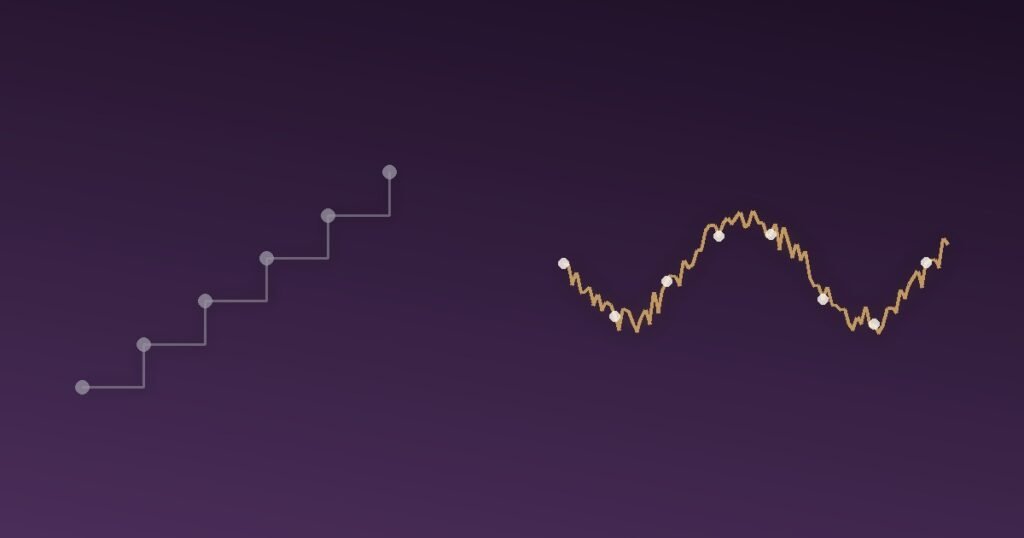
Studies that track bereaved people over months and years, notably the work of psychologist George Bonanno, find something quite different from sequential stages: most people show resilience relatively early, without necessarily passing through anger or depression at all, and grief tends to appear in waves or bursts rather than discrete, ordered phases. People commonly oscillate between acute grief and ordinary functioning within the same day, rather than progressing steadily through a fixed sequence toward a final resolved state. There is no universal order, no required emotional stop along the way, and no fixed timeline that applies across individuals.

Why the Myth Persists Anyway
A clean five-step model is appealing precisely because grief itself is not clean. It offers the comfort of predictability and an implied endpoint — reach “acceptance” and the work is done — which is a far more graspable narrative than the actual, often chaotic and non-linear experience most people go through. It also gives friends, family, and even clinicians a simple framework for checking in on someone, even when that framework doesn’t match what the grieving person is actually experiencing.
The Cost of Believing in Stages
Treating the stages as a required sequence can quietly harm the people it’s meant to help. Someone who feels resilient early on may worry they’re “skipping” grief or didn’t love the person enough. Someone who never reaches a clear sense of anger may feel they’re doing it wrong. Well-meaning people around a griever sometimes push them toward the “next stage,” treating normal variability as something to be corrected rather than simply lived through.
What Actually Helps, Based on the Evidence
Let grief be nonlinear. A return of sadness or anger after a period of feeling fine isn’t a regression — it’s a normal and well-documented pattern, not a sign that something has gone wrong.
Don’t expect or demand specific emotions in a specific order. Skipping anger, or never landing on a tidy sense of acceptance, is common and doesn’t indicate unresolved or abnormal grief.
Allow “grief bursts” alongside ordinary functioning. Laughing at a joke or having a productive day soon after a loss coexists naturally with grief; it isn’t evidence that the grief wasn’t real.
Watch for prolonged, functionally impairing grief rather than comparing against a stage checklist. If grief remains severely disruptive to daily functioning well beyond what feels sustainable, that’s a reason to seek support — not because a stage was “missed,” but because ongoing support can genuinely help.
The Takeaway
The five stages of grief describe a compelling story, but not an accurate map of how people actually grieve. Real grief is individual, often non-linear, and doesn’t owe anyone a tidy sequence or a clean endpoint. Letting go of the staircase model tends to make room for what grief actually is, rather than what it was once simplified into.
Frequently Asked Questions
Are the five stages of grief real?
The five stages (denial, anger, bargaining, depression and acceptance) were proposed by Elisabeth Kübler-Ross to describe dying patients. Research has not found that bereaved people move through them in a fixed order.
Why does grief come in waves?
The brain still expects the person to be present, so reminders trigger strong emotion. Grief researchers describe a natural back-and-forth between focusing on the loss and focusing on daily life, which feels like waves.
When should grief be a concern?
If intense yearning, inability to function or loss of meaning persist for a long time without easing, it may be prolonged grief. Speaking with a doctor or grief counselor can help.
Related Reading
- Why We Remember Trauma But Forget Joy: The Neuroscience of Emotional Memory
- Why Nostalgia Feels So Good: The Neuroscience of Looking Backward
- Why Trauma Responses Aren’t a Character Flaw: Understanding Fight, Flight, Freeze, Fawn
This article is part of Pattern Decoded’s ongoing series on the psychology and neuroscience of everyday behavior.