It’s one of the more unsettling findings in social psychology: the more people who witness someone in distress, the less likely any individual is to help. This isn’t because larger crowds are made of less caring people — the effect shows up reliably across contexts and personality types. Understanding why reveals something important about how humans process responsibility in groups, and offers a genuinely useful tool for making sure help actually arrives when it’s needed.
Quick answer: The bystander effect is the finding that people are less likely to help in an emergency when others are present. Responsibility feels shared, so each person assumes someone else will act. The most effective fix is to single out one specific person and give them a clear task.
Where the Idea Comes From
The bystander effect entered psychology through research prompted by real-world cases of witnessed emergencies where onlookers failed to intervene. The pattern researchers identified wasn’t indifference — in follow-up interviews, witnesses were often distressed by not having acted. What emerged instead was a set of specific psychological mechanisms that predictably suppress individual action whenever multiple people are present, regardless of how much any individual actually cares about the outcome.
Diffusion of Responsibility
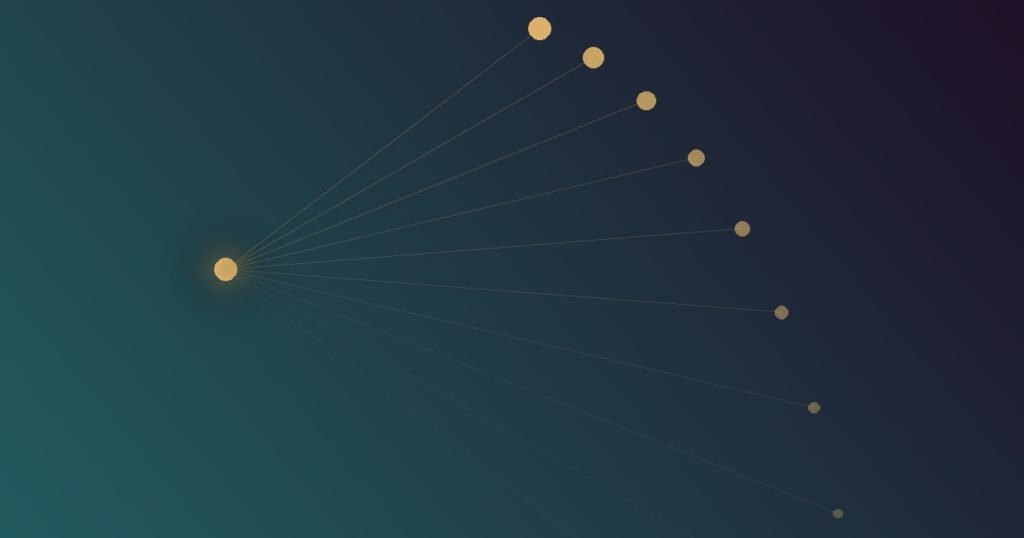
The central mechanism is straightforward once named: when one person witnesses an emergency alone, all the responsibility to act sits with them. When ten people witness the same emergency, that responsibility gets psychologically divided — each person feels a smaller share of the obligation, and each assumes someone else, likely better positioned or more qualified, will step in. No individual has decided not to help; the sense of personal responsibility has simply been diluted across the group, often below the threshold needed to prompt action.
Social Proof and the Danger of Ambiguity
A second mechanism kicks in specifically when a situation is ambiguous — is that person having a medical emergency or just resting? Is that argument dangerous or just loud? In ambiguous situations, people look to others’ reactions for cues about how to interpret what’s happening. If everyone else looks calm, that calmness reads as evidence that nothing is actually wrong, even if everyone else is privately alarmed and doing the exact same calculation. The result is a room full of concerned people, each reassured by everyone else’s outward composure, with nobody acting.
Why Naming the Effect Helps
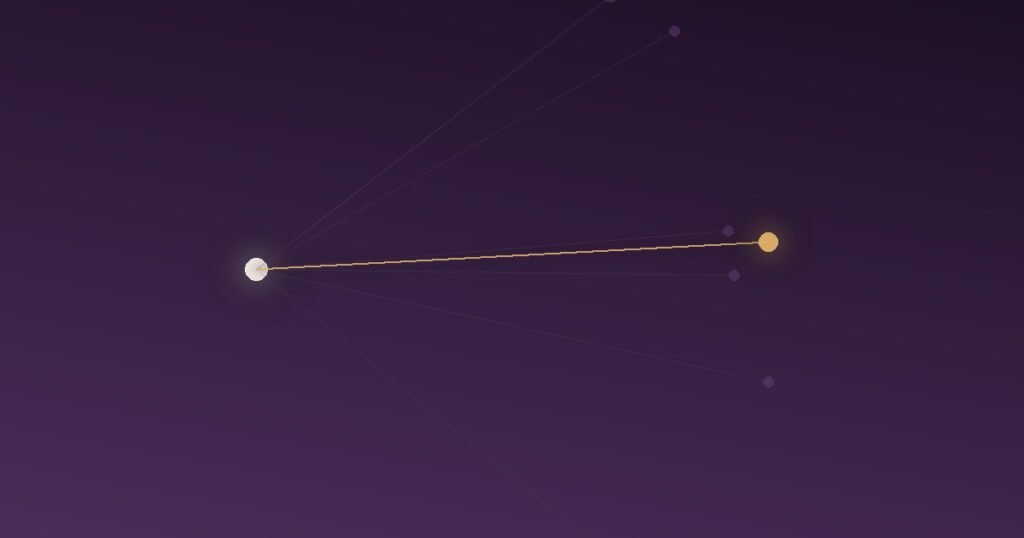
Unlike many psychological biases, the bystander effect responds unusually well to simple awareness. Once someone understands the mechanism, the specific fix is well established and effective: instead of “someone call an ambulance,” directing the request at a specific individual — “you, in the blue jacket, call an ambulance” — collapses the diffusion of responsibility instantly. A single named person can no longer assume someone else will act, because the obligation has been explicitly placed on them alone.
What Actually Helps
If you need help, name someone specifically. Point at a person, describe them by clothing or position, and give a direct instruction rather than a general call for assistance.
If you’re a bystander, treat ambiguity as a cue to check, not relax. Everyone else’s calm exterior may be the same performance you’re giving — don’t let it substitute for your own judgment.
Assign roles explicitly in group settings where emergencies are possible. Workplaces and events that pre-designate who responds to specific situations sidestep the diffusion problem entirely.
Remember this is a situational effect, not a character flaw. People who fail to help in a crowd aren’t uncaring — recognizing this removes unhelpful self-judgment and clears the way to act differently next time.
The Takeaway
The bystander effect isn’t evidence that people care less as crowds grow — it’s evidence that responsibility, like any resource, gets diluted when it’s shared among more people without being explicitly assigned. The fix isn’t a personality change; it’s a structural one: naming someone, directing a request, and refusing to let ambiguity default to inaction. Knowing this mechanism in advance is one of the few pieces of psychology that can be applied instantly, in the moment it’s needed most.
Frequently Asked Questions
What is the bystander effect?
The bystander effect is a social psychology finding that the presence of other people reduces the likelihood that any single individual will help someone in need, largely due to diffusion of responsibility.
Why does the bystander effect happen?
Three main factors drive it: diffusion of responsibility, uncertainty about whether it is really an emergency, and fear of looking foolish. Each person looks to the others, sees inaction, and concludes help is not needed.
How can you overcome the bystander effect?
If you need help, point to one specific person and give a clear instruction, such as ‘You in the blue jacket, call an ambulance.’ If you are a bystander, assume no one else has acted yet and step in.
Related Reading
- Why Group Settings Make Smart People Make Dumb Decisions
- Emotional Contagion: Why Other People’s Moods Rub Off on You
- Why Trauma Responses Aren’t a Character Flaw: Understanding Fight, Flight, Freeze, Fawn
This article is part of Pattern Decoded’s ongoing series on the psychology and neuroscience of everyday behavior.